

This profile was originally published on Oregonlive.com
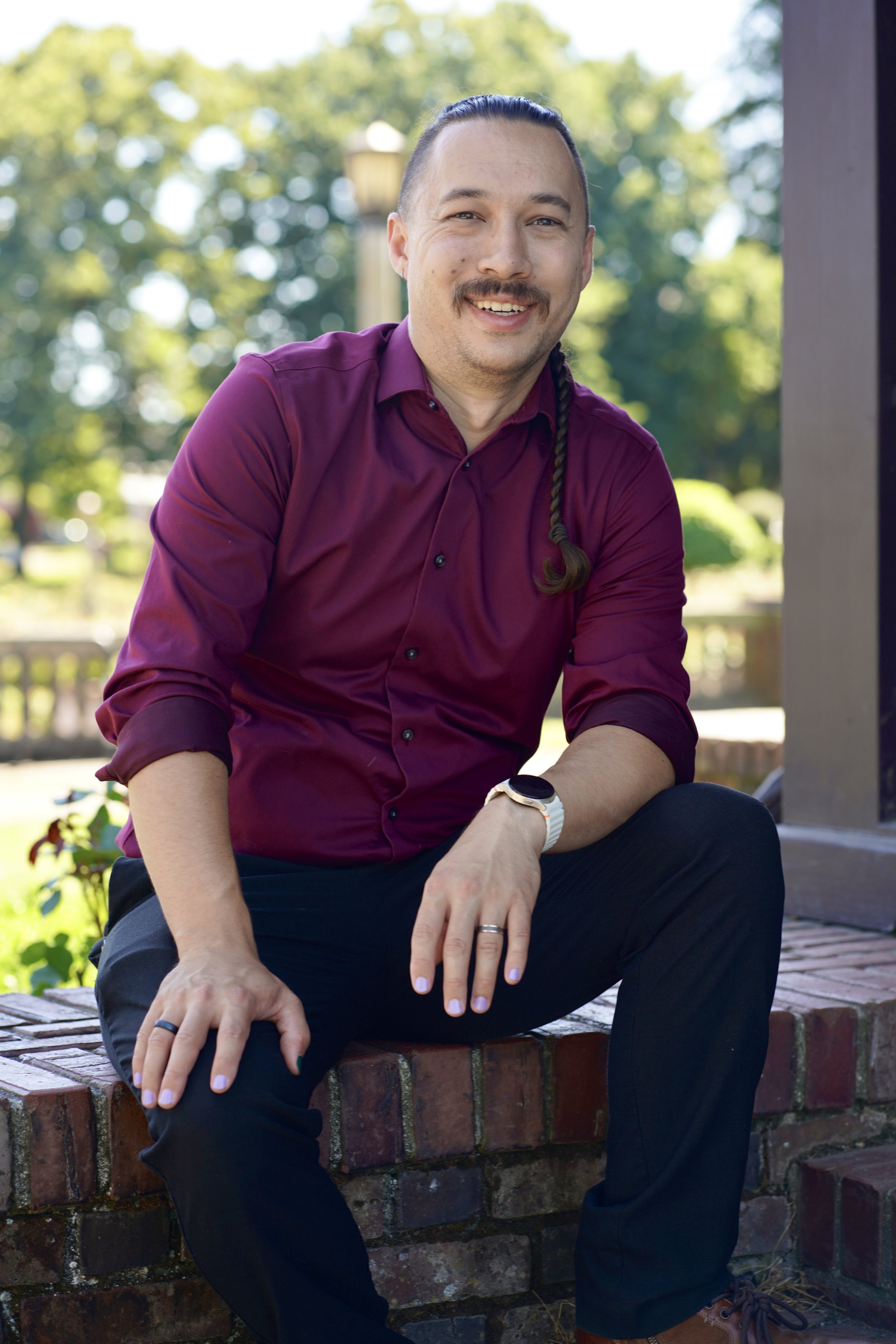
Nathan Ong Norris: Multnomah County Board of Commissioners District 2 candidate
Name: Nathan Ong Norris
Age: 32
Education: Master’s of Science in Emergency Management & Community Resilience, Portland State University. Bachelor’s of Arts, Theatre Arts, California Polytechnic State University.
Previous governmental/political experience: I have been a member of the Democratic Socialists of America (DSA) since 2024. I am currently an elected co-chair of the Portland Chapter of the DSA’s Resiliency Working Group. This is my first time running for public office.
Website: https://www.nathanongnorris.com/
What are your top priorities for the county if you are elected commissioner?
A. Lowering the cost of living while improving our quality of life: I grew up at a time when Portland was a working class city. My parents raised my sister and I on one good income. Now my friends, my neighbors, my wife and I struggle to get by on two or even three incomes per household.
Since the 1980s we have been told that running the government like a business would improve our lives - but it turns out the opposite is true.
We live in the richest country but our wages haven’t kept up with the cost of living while corporate profits keep climbing.
For-profit housing, healthcare and utilities means we pay more for the things we need to live.
Deregulation has led to: the loss of stable full time work with strong benefits packages and the rise of inconsistent and underpaid gig work across multiple sectors; the consolidation of wealth and power by tech monopolies and the proliferation of unnecessary data centers; and contaminated food and drinking water.
Instead of providing tax subsidies and public dollars to billionaires and corporations, I will invest in the programs, services, and infrastructure projects that support the people of Multnomah County including: Preschool for All, Social Housing, and a local Green New Deal.
B. Climate Justice in our lifetimes
Holding polluters accountable for their actions, and the ways they harm our communities. There should be no “sacrifice zones” in Multnomah County.
Addressing the risks and hazards of aging, vulnerable infrastructure – like the CEI Hub.
Building the green economic future by investing in union jobs in industries that sustain people and the planet.
C. Government for the People: Democratic Socialism
Full life services for every resident. From birth certificates, to preschool, to libraries, careers, healthcare, and eldercare, access should be easy and affordable. Government exists to make decent, dignified lives the standard for everyone.
Close cooperation with my allies in Portland city hall and the Oregon state legislature, to serve our community holistically and with accountability. That means transparency, coordination, and good faith dialog with each other and our constituents.
What specific accomplishments, experience or characteristics show that you are the best candidate for District 2?
I’ve been supporting folks in my community with food, firewood, blankets, water, and any other basic necessities for years. I’ve done this while working as a carpenter, hazardous waste technician, stagehand, prep cook, and technical director. I worked in the South for six years, living through hurricanes, and moved back to get a Master’s Degree in Emergency Management & Community Resilience just in time for catastrophic heat and fires to become a regular occurrence in the place I grew up.
My philosophy as a community organizer, neighbor, and coworker has always been that the systems governing our lives don’t care about the wealth, health and safety of working people – whether we’re people of color and culture, disabled folks, LGBTQIA+ folks. Because of that, I’ve long believed that we have to take care of ourselves, and each other. We have had to fill in where Reagonomics, MAGA Republicans, and corporate sell-out Democrats have abandoned us, with less resources and more obstacles.
I still believe in the tremendous power of mutual aid and organized people. But I’ve also come to believe that we cannot fight the austerity agenda without using the power of our public institutions. I am prepared to roll up my sleeves and tackle the issues that my neighbors in District 2 are struggling with. I’m prepared for the hard conversations, because an organizer knows how to find alignment even in times of disagreement.
Do you think Multnomah County’s approach to homelessness is working? What, if anything, would you change?
The high cost of housing continues to be the biggest contributor to housing insecurity and homelessness in Multnomah county. The rent is too damn high and homeownership is out of reach for too many families.
Unlike Washington and Clackamas counties, in 2025 Multnomah County spent half of its Supportive Housing Services (SHS) funds on shelter and outreach, which has not worked.
Instead, I would invest more in eviction prevention, housing stabilization, and long-term rehousing programs over short-term shelter beds.
I support the recommendations put forward by the Welcome Home Coalition to prioritize rent assistance, acquisition, and management of permanent supportive housing, on-site case management and support services, workforce development programs, and peer support. These are programs that have proved most effective at keeping people housed and helping them exit unsheltered homelessness.
The city of Portland has just released its Social Housing Study. I believe Multnomah County has a role to play in acquiring, developing, funding and servicing Social Housing in our region. Whether it’s creating administrative infrastructure for housing cooperatives, or exploring land banking to keep future development costs down, there are things we can begin today. Our current approach to housing affordability is clearly broken, and throwing more tax credits at developers can’t be the only solution. Folks living in subsidized Affordable Housing should not have to worry that a pay raise will disqualify them from staying in their homes.
What can and should Multnomah County do to improve the quality and availability of behavioral health services, particularly as budgets are cut?
Trump and his allies in congress have significantly cut Medicare and Medicaid, most recently through the “Big Beautiful Bill” which is having devastating impacts on states ability to provide the health care our communities need, including behavioral health services. In the short-term Multnomah County can continue to fund our behavioral health services locally to the best of our ability, but that is not a long-term solution. Which is why I am excited about the work of Health Care for All Oregon which is currently developing a universal healthcare plan that would guarantee quality health coverage for all Oregonians. In 2022, Oregonians passed Measure 111 which made Oregon the first state in the US with a constitutional obligation to provide access to affordable health care to all its residents. “According to a 19-page summary of preliminary recommendations released in April 2026, the plan would cover all necessary physical and behavioral health services, as well as routine vision and dental care and some fertility services, with minimal to zero cost-sharing for patients at the point of service.”
The county continues to face budget shortfalls due to slow growth in property tax revenue and soaring expenses. What should the county do to limit the pain to residents? What would you do to change the current dynamic?
Cut from the top, starting with Deputy Chief Operating Officers. A wholesale evaluation of our current spending on upper management positions is warranted, because as an organizer, I know that it’s often the folks closest to the ground who know best how to do their jobs. We don’t need high paid upper management to tell us we have to cut union represented front line providers.
To raise revenue, there are several progressive revenue raising options I’d like to explore. I believe a handful of incredibly wealthy corporations and individuals should be taxed their fair share in service of this county we all rely on and contribute to. I am interested in exploring a local tax on data center construction and operations. Lastly, I am interested in exploring a charge on fuel storage by CEI Hub companies as a source of revenue that also helps us mitigate the environmental risk and impacts. I would work with the Oregon Revenue Coalition, Tax Fairness Oregon, and Oregon Center for Public Policy (OCPP) to identify and implement reasonable and progressive revenue raising to meet our goals
If you were on the county commission currently, would you vote to enact, delay or cancel the 0.8% tax increase for the Preschool for All Program? Why?
Preschool for All is a promise we made to the children of Multnomah County — to prioritize their well-being and early education needs. I support fully funding universal preschool in Multnomah county. I did not support the initial proposal to delay the tax increase by 0.8% by two years, but am satisfied with the unanimous vote on August 27th to delay the tax increase by one year.
All of the modeling shows the program will not be able to operate without an eventual increase in the tax, so future boards need the flexibility to increase the tax when it is necessary. Therefore, I also support the unanimous decision to remove the requirement that a technical team must make a recommendation before the board is allowed to adjust the tax rate to fully fund the program.Lastly, I am excited by the ongoing work of community parents, preschool teachers, child care providers, economists, and policy experts to defend and strengthen this beloved program. As Commissioner, I will continue to incorporate those voices into decision-making processes, especially as it relates to educational outcomes, unionization efforts, and ensuring that preschool for all spots are available throughout the county.